From blockbuster films to award-winning television, millions of people around the world watch content made in Hertfordshire every day.
Now, for the first time, a new festival will bring audiences closer to the stories, talent and industry behind the screen.
The inaugural Hertfordshire Film & TV Festival will take place from 2-4 July 2027, celebrating the county’s unique role in film, television and digital content through screenings, special events, industry conversations, immersive experiences and opportunities to discover careers in the screen industries.
Based in south-west Hertfordshire, at the heart of one of the UK’s most successful screen clusters, the festival will showcase the creativity, innovation and talent that have made the area synonymous with world-class production.
It aims to celebrate Hertfordshire’s screen success while inspiring the next generation of talent and opening up opportunities to people from all backgrounds.
The festival has already secured the support of a growing coalition of partners from across industry, education, media, local government, hospitality and the voluntary sector, including Warner Bros. Studios Leavesden, West Herts College, Oaklands College and the University of Hertfordshire. Heart FM is the festival’s media partner and Watford FC’s Community Sports & Education Trust its charity partner.
Local authority partners include Watford Borough Council, Three Rivers District Council, Hertsmere Borough Council, Stevenage Borough Council and the Hertfordshire Growth Board.
Cllr Steve Jarvis, Leader of Hertfordshire County Council and Chair of the Hertfordshire Growth Board said: “Hertfordshire has a fantastic film and TV heritage, and today it’s home to a thriving creative industry. I’d encourage local filmmakers and avid movie-buffs to get involved in the Hertfordshire Film & TV Festival. It’s a wonderful opportunity to celebrate a new generation in film and TV.”
Mayor Peter Taylor, Watford Borough Council, said: “Whether you’ve always dreamed of working in film and television or simply love great stories, this festival is for you. We want to throw open the doors to an industry that many people know exists here, but few get the chance to experience up close. I’m delighted that Watford is helping to bring this exciting new event to life and look forward to welcoming audiences from across Hertfordshire and beyond.”
Rebecca Hawkes, Head of Elstree Studios, said: “For over a century, Elstree Studios has been at the heart of British film and television production, helping to create stories enjoyed by audiences around the world. The Hertfordshire Film & TV Festival is a fantastic opportunity to celebrate the region’s extraordinary contribution to the screen industries, while inspiring the next generation of creative talent.”
Gill Worgan CBE, Principal and Chief Executive, West Herts College, said: “We’re delighted to be a Headline Sponsor and Anchor Venue Partner for the first Hertfordshire Film & TV Festival. Hertfordshire is home to some of the most important studios in the world, and our students are training for careers in that industry right here on its doorstep. This event shows young people that a future in film and television is within their reach.”
Councillor Stephen Giles-Medhurst OBE, Leader of Three Rivers District Council, said: “We’re incredibly fortunate to have one of the world’s leading screen production clusters on our doorstep. The Hertfordshire Film & TV Festival will help shine a spotlight on that success while creating fantastic opportunities for local people to get involved. Film and television is a big part of Three Rivers’ identity and has helped put our area on the global map.”
Cllr Jeremy Newmark, Leader of Hertsmere Borough Council, Chair of the Elstree Studios Board and Senior Vice Chair of the Hertfordshire Growth Board, said: “As a thriving screen sector hub that increasingly drives our local economy, Hertsmere is proud to be supporting the inaugural Hertfordshire Film & TV Festival. This exciting new event provides a fantastic opportunity to celebrate the creativity, talent and economic value that film and television bring to our area.”
The festival will invite short film entries of up to 15 minutes from filmmakers, content creators and emerging talent across Drama, Documentary and Animation categories. Submissions will open between January and March 2027.
It is also working with Creative Forces UK to help ensure opportunities within the screen industries are accessible to members of the armed forces community and veterans.
Further programme announcements and special guests will be revealed over the coming months.
For more information, visit www.hertfordshirefilmtvfestival.com.
For many years, screen investment in the UK has revolved, understandably, around London – our capital city is a world-class hub and a historic centre for production. Yet step onto the set of almost any blockbuster made in Britain today, and you’re just as likely to find yourself outside the M25 as within it. Hertfordshire, in particular, has emerged as the UK’s new main stage – a creative powerhouse with an international reach, now rivalling even the legendary sprawl of Los Angeles for state-of-the-art facilities and future-facing ambition.
Over the last quarter alone, more than £11 million of gross value was generated by Hertfordshire’s screen sector. This is not just recovery after the much-lamented production strikes of 2023 and 2024. It’s momentum – and it’s building. We now sit as the UK’s second biggest film and TV production economy after London. But in Hertfordshire, we’re not simply recycling the capital’s talent and resources. We’re building something new: an ecosystem in which public and private sectors collaborate, where world-class facilities meet world-class skills, and where genuine innovation powers the stories that captivate global audiences.
Investment here is visible and tangible. Warner Bros. Studios Leavesden – already home to Harry Potter’s soundstages – is nearing completion on a major expansion. Down the road, Elstree Film Studios, where I have the honour of serving as Chair, is celebrating a remarkable centenary. In partnership with MBS, we’ve reopened the iconic stages 7, 8 and 9 – the last remnant of the original Star Wars set. When the experts advised demolition, we chose instead to invest and modernise. Anyone who’s ever worked on those stages knows it was the right decision.
Yet heritage without forward thinking is merely nostalgia. Our answer is the Elstree Immersive Experience, the county’s first major convergence of technology and tradition – bringing the magic of UK filmmaking to new audiences. And there’s more. Sky Studios Elstree has just secured planning for a massive expansion, proof that global players – the likes of Sky, Universal, and Comcast – see Hertfordshire as a permanent fixture in screen production’s future.
None of this is accidental. It’s the result of deliberate collaboration: Fairbank Studios, rescued for production use by our council, is adding capacity and innovation space. The Langleybury Film Hub is advancing plans for a combined independent TV and training facility to foster new talent.
There are important regional lessons from this Hertfordshire model. Liverpool’s independent production fund exemplifies ambition, supporting regional storytelling and the creative entrepreneurs otherwise locked out of the mainstream. Wales, Bristol, and the West of England are building distinctive production clusters – proving conclusively that the UK’s creative economy thrives when it is distributed and ambitious.
In today’s industry, top-tier studios are only part of the story. Modern film and television production turns increasingly on one overlooked factor: data. Last week, Hertsmere secured a deal for a new £4bn Equinix data centre – the kind of investment that transforms the infrastructure available to major productions. Real-time virtual production, VFX rendering across continents, cloud-based editing – these all rely on ultra-fast, reliable data flows. In Hertfordshire, our co-location of top studios and best-in-class data infrastructure gives incoming productions a competitive edge almost nowhere else in Britain can match.
But physical and digital assets mean little without people. That’s why we’re investing in Screen Hertfordshire, a triple helix partnership linking higher education with industry and government, and breaking down the old barriers between supply chain, employment and policymaking. Skills bootcamps with Warner Bros., Sky and BBC Studios are already underway. New DWP-funded pathways are opening the industry to underrepresented communities. And our leadership in AI-driven production workflows is positioning the region not for the world of yesterday, but of tomorrow.
We know what’s at stake. My family ties, like many in this region – has ties to the sector spanning four generations. This legacy matters. But we are determined that the next century will belong just as much to digital craftsmen and creative coders as it does to directors and actors.
So, as investors and policymakers look beyond today’s headlines for the next model of UK growth, I urge you to look to Hertfordshire. Here, the future of the national screen economy is not an abstract promise. It is a work in progress.
From Star Wars to Barbie, from The Shining to Paddington, Hertfordshire has helped shape the global imagination. As we move from soundstages to data centres, one fact remains: we are just getting started.
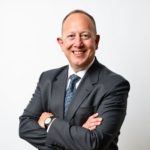
Cllr Jeremy Newmark will be speaking on the Shared vision, local delivery: How UK clusters can scale screen production at the UK Screen Investment Programme Summit, where he will share insights on Hertfordshire’s model for distributed growth and innovation in the screen sector. View the programme.
Cllr Jeremy Newmark is Leader of Hertsmere Borough Council, Vice-Chair of the Hertfordshire Growth Board and Chairman of Elstree Film Studios
The strengths of the world-leading UK screen sector – from studio space to partnerships – were laid out at the UK Screen Investment Dinner in the run-up to the flagship conference this month.
The UK Screen Investment Summit – in partnership with Hertfordshire Futures – will take place on 26 November at BAFTA 195 Piccadilly, and the dinner – co-hosted by Hertfordshire Growth Board – at The Grove, Chandler’s Cross, Hertfordshire, on November 3 brought together senior figures from across the UK’s key regional production clusters and studios, along with investors, producers, technology innovators, educators, and industry stakeholders.
They met to explore opportunities to connect and shape the future of the high-growth screen sector, and to further inform the conference agenda.
Cllr Jeremy Newmark, Leader of Hertsmere Borough Council, Vice-Chair of Hertfordshire Growth Board and Chair of Elstree Film Studios, hailed the work going on in UK regions such as Liverpool, where local creators are being backed through the Independent Production Fund; in Wales, where “committed public support is attracting serious global projects”; and in Bristol, where a “compelling model” is being actively created.
He highlighted how “Europe’s highest concentration of global studios and support infrastructure” sits in Hertfordshire and that, alongside Surrey and Buckinghamshire, production space is “on a par with the whole of LA.”
“Hertfordshire is no longer a supporting actor in the UK’s film and TV story – we are on the main stage.”
“But we’re doing it differently,” he added. “We’re building something new. We’re building a genuine ecosystem – studios, skills, innovation, and investment.”
The stellar studio line-up in Hertfordshire includes Warner Bros. Studios Leavesden; Elstree Film Studios, which has just entered into an expansion project with The MBS Group; Sky Studios Elstree, which is adding ten new stages to its current site; the new Fairbank Studios on the former BBC site; and the Langleybury Film Hub, which is supporting independents. These sit alongside plans for the new Equinix Data Centre, which will provide digital infrastructure to support the expanding studios.
“This is confidence – concrete confidence – in Hertfordshire as the UK’s creative heartland,” Councillor Newmark said. However, he further announced that “studios alone don’t constitute an economy – people do, skills do – and that’s why we’re launching a new era of collaboration: a triple helix partnership with education – the University of Hertfordshire and our local colleges – working directly with industry, studios, production companies, and the entire supply chain, and with government, both local and national, not as bystanders but as partners.”
Caroline Cooper, Chief Operating Officer, Sky Studios, spoke about the highly skilled workforce required to produce blockbusters such as Wicked, filmed at Sky Studios Elstree, and how productions like these have created thousands of jobs while delivering a significant boost to the UK economy.
“It’s a very exciting time for the UK screen industry. It’s very clear we are a vital source of growth, a big engine for the economy, and we’ve got the support of government.”
UK studio capacity has doubled in the past three years, she said – a momentum being felt across the country, from the North to Birmingham and Wales, to name a few successful regions.
Agreeing with Councillor Newmark, she added: “One of the biggest factors in this success has been partnership – the partnership between industry, academia, and local government. And when these three come together, the results can be transformative – offering innovation, skills, and ideas that truly match what productions need on the ground.”
The Summit and Dinner are part of the UK Screen Investment Programme, a national platform championing and driving growth in the UK’s screen sector through collaboration, investment, and innovation.
It is a partnership between Hertfordshire Futures with Associate Partners – Creative Wales, Hertfordshire Growth Board, McLaren, and Trowers & Hamlins; Supporting Partners – British Film Commission, Glencar, Liverpool City Council, Marlow Studios, RIOS, Screen Capital West, and West London Film and TV Skills Hub; Event Partner – University of Hertfordshire; and Media Partner – PACT.
To hear more about the remarkable strength of the UK screen sector and its capacity for growth, click here.
The Hertfordshire Essex Rapid Transit (HERT) will be a new, sustainable passenger transport network. It will carry more people than a car but will be more convenient and reliable than a traditional bus.
The HERT will deliver a step-change in the passenger transport network through an accessible, reliable and affordable east-west transit system which connects people easily to where they live, work and visit. The HERT will support economic growth, improve the environment and positively impact our existing and new communities. It will also connect with north-south rail lines to create new sustainable journey options across the whole of Hertfordshire and beyond.
Public engagement
Last year, Hertfordshire County Council held a 10-week public engagement about the HERT. They shared information about the vision, route, aims and potential benefits of the HERT, giving local people the opportunity to share their thoughts on the proposals.
Hertfordshire County Council has completed its analysis of the feedback received during the public engagement period and can now share the results. You can view a summary of the findings here.
Some of the headline findings from the public engagement period were:
- 75% of respondents supported or strongly supported the HERT vision
- Reliable journey times was the biggest priority for respondents, with 73% selecting this option. Service frequency was deemed to be the second most important feature, with 71% of respondents selecting this.
- 68% of respondents to the survey suggested that they would be likely to use the HERT

Background
The roads from Hemel Hempstead to Harlow currently experience significant traffic congestion and poor journey time reliability.
Hertfordshire County Council is supporting the district and borough councils in planning for more than 100,000 new homes and jobs to make sure we meet our needs over the next 15 years.
This means there will be a greater demand on schools, health and social care and on our already congested road and rail network. To achieve the plans, requires a sustainable passenger transport system that puts people first.
In the A414 Corridor Strategy (produced with district and borough councils), it was identified that a mass rapid transit system was fundamental to greener and more efficient travel.
Where will it go?
The HERT will form an east-west transport corridor that runs from Watford and Hemel Hempstead in the west to Harlow (Essex) in the east. The proposed HERT corridor will be split into three sections:
- Hemel Hempstead – Gilston: is the main east-west section that will serve the main settlements between Hemel Hempstead and the new Gilston Garden Town. It will also improve connections to Luton Airport via interchange in St Albans.
- St Albans – Watford: this north-south section will operate between St Albans and Watford. This corridor is currently served by the Abbey Line with potential for onward connections to west Watford.
- Gilston – Harlow: (and onward connections to Stansted Airport): this section will provide links from Gilston Garden Town and into Harlow, providing improved onward connections to Stansted Airport.
It’s likely that these sections will be delivered in phases as funding becomes available and in line with planned development. What type of vehicle will it be? The vision for The HERT is to provide zero-emission vehicles with a modern, comfortable and spacious design that is easy and accessible for all passengers to use.
The details around how the HERT will operate, the exact route it will take, and the type of vehicles it will use will be explored through detailed technical studies and further public engagement at a later stage.
Scheme objectives
The three key ambitions are:
1. Delivering jobs and economic growth
The HERT will make travel easier to access current and future job opportunities and will provide businesses with greater access to skilled people.
- Supporting the significant long-term planned growth in the county with better connections between new and existing communities and jobs.
- Providing a more attractive alternative for motor vehicle users.
- Ensuring that we are at the forefront of new mass rapid transit technologies to stimulate economic growth.
2. Protecting and improving our environment
- The HERT will provide a sustainable alternative to cars, helping to enhance our environment and quality of life through a cleaner, greener transport system.
- Reducing the impact of traffic congestion pollution, improving air quality and enabling attractive walking and cycling routes.
- Developing a future-ready transport system which minimises energy consumption and supports our commitment to tackling climate change.
3. Supporting vibrant communities
The HERT will provide a convenient and competitively priced system that will cater for all ages and abilities in our diverse communities.
- Creating reliable and more efficient connections to where people live, work and visit.
- Providing an affordable and inclusive transport system, that is financially sustainable.
- Improving health, wellbeing and quality of life through safe, accessible and convenient services that link to walking and cycling routes.
Making the HERT a reality
A project of this scale will take a number of years to develop and will require substantial investment from both local and central government, along with private sector partners.
Hertfordshire County Council is in the early stage of developing proposals on the HERT and there are a number of steps to go through before it can be built.
Hertfordshire County Council will consult with the public at each stage. There will be ongoing engagement with local communities, civic groups, businesses, and other organisations throughout the duration of the scheme, ensuring the widest possible spread of voices are heard throughout the process.
Next steps
Hertfordshire County Council is currently producing a prospectus for the HERT that outlines the mission to provide an east to west mass transit route. This will set out the plan for the development and delivery of a transit route that will facilitate economic growth, the movement of people through sustainable travel measures and reducing pressure on the current transport network. The prospectus will be used in conversations with potential funding partners, including the Department for Transport.
The HERT forms part of the county council’s A414 corridor strategy – a package of proposals designed to improve travel between the east and west of the county and reduce car dependency. As part of this, the HERT is aligned with Hertfordshire’s Bus Service Improvement Plan (BSIP) schemes, as well as the proposals for the Watford to Croxley Link.
Above all, there is a strong commitment to the HERT’s ambitious vision to deliver a step-change in the passenger transport network across the whole of Hertfordshire and beyond.
Hertfordshire County Council has completed its analysis of the feedback received during the public engagement period and can now share the results. You can view a summary of the findings here.
As well as being the County of Opportunity, Hertfordshire has a long-standing and justified reputation as a centre of cutting-edge innovation.
To name a few of these innovations, our county became home to the world’s first garden city in the early 20th century before other global firsts saw the original jet airliner and first wind-monitoring satellite developed here.
Clearly these notable and diverse global milestones, which span almost 120 years, were achieved through having people with the right skills available to deliver.
And now, with a number of paths widely available for people of all ages to gain new skills to start and further their careers, Hertfordshire is showing a strong determination and purpose to remain as a key pioneer of innovation for the UK, and for the world.
With more than 70,000 businesses calling Hertfordshire “home” and helping it to contribute over £38billion a year to ‘UK PLC’, enterprise and innovation is the backbone of our county’s economy.
Stevenage has become a thriving hub for the life sciences industry, with the cell and gene therapy cluster the largest of its kind in the UK. Meanwhile, the story is certainly developing at pace for the film and television industry in the county.
Hertfordshire is already a global leader in this, and its creative sector has rapidly expanded in the past 12 months, strongly establishing the county as a key location for film and TV production in the UK and as a prime destination for on-location filming with screen tourism a key focus for Visit Herts’ recovery strategy post-Covid. With further studio expansion planned, together with Sunset Studios’ proposed new £700m development in Broxbourne, the county is at the fulcrum of industry growth.
In just this sector alone, as delegates heard last year at Hertfordshire Local Enterprise Partnership’s Opportunity Hertfordshire conference which shone a spotlight on film and TV, up to 13,000 new jobs could be created, from catering to carpentry as well as other skills-related fields such as lighting, sound and wardrobe.
Higher and further education courses available in the county are crucial to this peek into the future and is also the case within other high-value sectors such as advanced manufacturing, technology and construction, where further opportunities are emerging to connect Hertfordshire employers with local talent.
These employment and training opportunities are featured on Hertfordshire LEP’s Hertfordshire Opportunities Portal (HOP), which acts as a comprehensive “gateway”. Whether that be for someone leaving school at 16 and looking for inspiration and practical advice on the right path to take, or someone changing career direction or planning to start their own business. It also gives support and advice to employers on such matters as apprenticeships and recruitment.
The Skills and Employment Strategy 2021-24, developed by Hertfordshire LEP in partnership with Hertfordshire County Council and the Department for Work and Pensions, is further evidence of the county’s growth coalition and strong commitment to investing in the skills of the future, supporting priority and growth sectors, and building the future workforce needed to service a high-performing economy.
Hertfordshire Growth Board is supporting the LEP’s ambitions to develop that highly-skilled, high-performing economy through its individual workstreams, and palpably has a key role to play in this as a dynamic driver of place-making and sustainable-led growth.
Richard Roberts, Chair of Hertfordshire Growth Board and Leader of Hertfordshire County Council, said:
“Hertfordshire is a special place; home to some amazing businesses and thriving communities but we must give our next generation of young people the chance to fly by gaining the skills which are critical to a vibrant economy.”
Almost a year since the Hertfordshire Infrastructure and Development Board (HIDB) was formed, it continues to build a new level of engagement which is set to heighten in the years to come.
That’s because, never before, has there been a dedicated channel of ongoing communication which exists purely to make sure there is a constant and effective link between the Hertfordshire Growth Board’s constituent local authorities and the development and construction sector.
It means the Growth Board, which established and runs the HIDB in partnership with MPC, now has a forum which supports productive collaboration and promotes beneficial partnership-working between the public and private sectors – that is and was always the main aim so the sustainable growth and high-quality placemaking needed for the county’s residents can be realised.
The HIDB has brought together the 11 Hertfordshire councils, the Hertfordshire Local Enterprise Partnership and the private sector to work on delivering the right infrastructure, sustainable construction and the 100,000-plus new homes needed in the county over the next 15 years.
That journey is already well underway, with some significant distance covered so far. More than 40 companies from the construction and development industry have joined to date, enabling a clear ongoing dialogue with the many public sector organisations that are fellow HIDB members. That dialogue includes workshop sessions and collaboration groups on specific issues and challenges facing both sectors.
Cllr Richard Roberts, Chair of Hertfordshire Growth Board and Leader of Hertfordshire County Council, said:
“It is wonderful that the Growth Board has led the way in making sure that Hertfordshire has effective and beneficial engagement with the development sector, and very encouraging that so many organisations from the private sector have become members of the HIDB during its first year.
“So much has been achieved already since it was formed, and the HIDB will continue to be a vital conduit with it enabling matters around growth and sustainable development to be taken forward.”
Meetings of the HIDB are held on a quarterly basis, with the very first – in November last year – seeing more than 60 representatives from over 40 public and private sector organisations under one roof. Chief executives, council leaders and executive members for planning from the local authorities in Hertfordshire were at the inaugural get-together.
Now, nearly 12 months later, HIDB members are of course continuing to have conversations which will ultimately benefit the county and its residents – in this new era, cross-sector collaboration is the default.
Next month the latest meeting will be held, when the focus will be regeneration, with the ways in which social, economic and environmental transformation in Hertfordshire is and can be achieved to be the main discussion point. Gagan Mohindra, MP for South West Hertfordshire, will be among the speakers.
Naturally, a wide variety of topics means a diverse range of voices are being heard, as figures with an industry, local authority or political background have the chance to use the HIDB platform to share best practice or talk about the landscape as they see it, sometimes as a keynote speaker.
And, while the HIDB facilitates a stage for many to have their say or get answers to important questions, its existence crucially provides that one platform to speak with one voice across both the public and private sectors in Hertfordshire.
Cllr Roberts said: “Hertfordshire is a very special place and, with our partners in the development and construction sector, we want to build for a world where less carbon is used and design quality is of the highest standards, particularly in energy efficiency.
“We must reduce our impact on the climate as we move towards achieving sustainability targets in 2030 and beyond, and I am delighted that our partners are on board with this agenda.”
What the last 12 months have shown is that the HIDB has filled the space for which there was a clear void and huge appetite, with the ongoing forum and opportunities to engage now absolutely part and parcel of the development and construction landscape in Hertfordshire. In fact, now the stage has been built and the spotlight shone, it is difficult to imagine the public and private sectors being without this avenue.
Organisations in the development and construction industry yet to join the HIDB can register their interest at HGB – Hertfordshire Infrastructure & Development Board (hertfordshiregrowthboard.com) or by emailing Emma Harris at emmaharris@mpc.email

Hertfordshire Local Enterprise Partnership (LEP) has launched its Clean Growth programme to grow the county’s sustainable economy and businesses, and provide skills for jobs in green industries.
At its core are two key business-focused goals:
- To drive a green economy by accelerating development of a Low Carbon Environmental Goods and Services (LCEGS) sector
- To improve the environmental performance of businesses, communities and places in Hertfordshire
Hertfordshire LEP has appointed Helen Pollock, who has extensive experience within the sector, as Clean Growth Manager. Helen will play a pivotal role in supporting businesses on their net zero journey and will work with local partners to meet shared sustainability goals.
Helen said: “I am delighted to take on this important role for the county. As we experience one of the hottest summers on record, there is a real and compelling imperative to tackle climate change. Clearly this can’t be done alone so we must work both within and outside our county borders to achieve our clean growth ambitions and drive a step change in behaviours. We all have a role to play in safeguarding our planet for future generations, sharing knowledge and practical steps businesses can take now to reduce their carbon footprint.”
The LEP’s Clean Growth Strategy is the first one for the county and has been endorsed by Hertfordshire Growth Board. The strategy sets out a critical agenda for businesses and a series of actions to grow a sustainable economy and slash carbon emissions. It is part of a series of strategies developed by Hertfordshire LEP in partnership with business, local government, not for profit and education to support its responsible economic growth agenda.
Helen added: “Already we have seen first hand the exponential growth of our key sectors in life sciences, film and TV and advanced manufacturing. This has not happened by chance but it is the result of years of targeted investment and a collaborative approach with industry and local partners. I look forward to the exciting opportunities and challenges that will be taken forward by the LEP to deliver clean, business-led growth.”
The setting-up of the Clean Growth Industry Panel, a group of leading clean technology and sustainable Hertfordshire businesses and organisations, will be among the programme’s first actions. Operating in a similar vein to the LEP’s Life Sciences Industry Panel and the Film/TV Industry Panel, it will bring together a diverse team of experts to support delivery of the Clean Growth Action Plan, ensuring its activities are in line with industry’s needs and that growth opportunities are acted upon.
Herts IQ, Hertfordshire’s Enterprise Zone, has sites in Maylands Business Park and Hemel Hempstead, along with innovation/start-up space on campus at BRE in Watford and Rothamsted Research in Harpenden. The Enterprise Zone is a flagship venture in Hertfordshire attracting new companies to the area involved in delivering low and zero carbon built environment solutions, creating skilled jobs for local people. We will continue to build on this momentum with innovation partners Rothamsted Research, BRE and the University of Hertfordshire. Visit www.herts-iq.co.uk
For more information on the Clean Growth Programme, contact Helen Pollock, Clean Growth Manager, Hertfordshire LEP: helen.pollock@hertfordshirelep.co.uk
A new guide, which showcases modern and progressive construction techniques and practices, has been produced by the Hertfordshire Growth Board as it aims to help to facilitate sustainable and responsible growth in the county.
The Hertfordshire Offsite Manufacture Housing Guide is likely to be of interest to many across the construction and development sector, including house builders and potential designers as well as local authority officers and policymakers – in fact, anyone with an interest in understanding Modern Methods of Construction (MMC) and the associated benefits.
Setting out the principles of MMC, and how these are being utilised now and will be to an increasing extent in the future in Hertfordshire, the guide covers the concept of offsite manufacturing. A ‘live’ document, it will be kept constantly up-to-date with the latest, relevant schemes included.
Already home to the world’s first garden cities and the headquarters of many leading construction firms, Hertfordshire is also paving the way towards an innovative and dynamic future for the industry, including a strong emphasis on the importance of low and zero-carbon buildings.
To cement an ongoing commitment to embracing modern construction techniques, members of the county’s local authority and affordable housing sector have formed the Hertfordshire OSM (Offsite Manufacture) consortium.
The significance of this consortium is clear as, through its 2021-26 Affordable Homes Programme, Homes England’s strategic partners are expected to deliver a minimum of 25% of properties by using MMC methods.
A government White Paper, published in March 2020, emphasises the importance of design quality but also that of a high standard of placemaking, with context, movement, nature, built form, identity, public space and use as vital as the appearance of the design itself.
Patsy Dell, Executive Director, Sustainable Growth, at Hertfordshire County Council, said: “As a county, we are committed to sustainable and responsible growth in the long term, so that means building great homes for our residents in thriving, well-connected communities with the right infrastructure.
“It’s fantastic that we now have this guide, which highlights the way in which factory-made homes can significantly contribute to the delivery of high-quality homes, and it will be incredibly important particularly to Hertfordshire’s development sector.”
The Hertfordshire Offsite Manufacture Housing Guide, along with all of the associated factsheets, can be viewed in Documents then Key Documents via the menu bar above.
A new life sciences industry panel has been convened by Hertfordshire Local Enterprise Partnership (LEP) to drive forward actions that will deliver sustained sector growth, improved health outcomes and a huge economic uplift for the county and across the UK.
The panel, which met for the first time on Thursday 21 April, comprises representatives from across the county’s burgeoning life sciences sector including:
- Eisai, a leading global research and development-based pharmaceutical company, with its European Knowledge Centre located at Hatfield Business Park;
- Pharmaron, whose discovery and early development activity in Hoddesdon leverages the expertise of the global Pharmaron organization;
- Stevenage Bioscience Catalyst, a leading location for companies to develop and commercialise cutting edge therapeutics. The campus is home to major organisations including GSK, Cell and Gene Therapy Manufacturing Catapult, LifeArc and Cytiva alongside a growing cluster of start-up companies which together have raised £2.9bn in funding;
- Cell and Gene Therapy Catapult, whose £55m manufacturing centre in Stevenage supports the development of new, large-scale manufacturing systems and capabilities, helping to bring cell and gene therapies to market;
- OneNucleus, a not-for-profit life sciences and healthcare membership organization which has around 460 members including pharmaceutical, biotech, medical device and diagnostic companies
- University of Hertfordshire, which has University Enterprise Zone (UEZ) status and plays a vital role in the growth of the Herts economy. In 2018 it launched the Hertfordshire Science Partnership, a £6m project to boost small and medium-sized enterprises in the life sciences sector, leveraging use of state-of-the-art facilities and academic expertise at the University.
The panel is chaired by Hertfordshire LEP Board Member Dianne Lee, managing director for regulatory affairs consultancy DLRC. The company is based in Letchworth Garden City and works globally with clients and regulators.
In July last year, a report commissioned by Hertfordshire LEP set out how the county’s globally significant cell and gene therapy cluster can sustain its momentum and be a catalyst for UK life sciences growth.
Produced by SQW, the report provides an overview of life sciences in Hertfordshire and the key factors that have led to the development and growth of the cell and gene therapy cluster over time, including the role of big pharma, the availability of a skilled workforce, major locational advantages and a targeted series of interventions and investments.
The report also explores the cluster’s current limitations and barriers to growth, and sets out a range of critical interventions needed to drive future expansion.
Following publication of Hertfordshire’s Cell and Gene Therapy Cluster 2021, the LEP has engaged in a series of 1:1s with industry experts to help shape an Action Plan.
This sets out six key outcomes to be led by the private sector with a shared commitment from partners in Hertfordshire – the LEP, the Growth Board, Hertfordshire County Council and the district/borough councils. These outcomes are:
- A reliable supply of talent, aligned to the changing needs of both the life sciences sector and cell and gene therapy cluster
- Appropriate sources of early stage business support and finance
- International profile and visibility, particularly for the cell and gene cluster in Hertfordshire
- Strong levels of networking within and beyond Hertfordshire
- Effective commercial property solutions
- Effective digital infrastructure solutions aligned to the sector and cell and gene therapy cluster’s needs.
The Industry Panel will meet around four times a year and it will focus solely on delivering the Action Plan, calling in key delivery partners, as required. The plan is designed to be dynamic, responding to the needs of the industry and attuned to market demands.
The LEP has invested in additional resources to support this activity with the creation of a new life sciences sector / cell and gene therapy cluster lead post. While private sector investment drives the sector’s growth, additional Government funding will also be sought to ensure that the value of the cell and gene therapy cluster, in particular to UK science, is fully realized.
Hertfordshire has attracted major inward investors in life sciences in recent years – such as Eisai in Hatfield and Pharmaron in Hoddesdon – while companies like Smith and Nephew (near Watford) and Roche in (Welwyn Garden City) continue to have a significant presence and span both medtech and biopharma. Just recently Autolus, an advanced therapy medicinal product company, has spun out of the Bioscience Calalyst into Stevenage town centre with a brand new £65m manufacturing facility.
Cell and gene therapy is now one of the fastest-growing health and life sciences in the world, contributing around £74bn to the UK economy and a quarter of a million jobs per year. Stevenage is at the heart of this growth and has been designated a High Potential Opportunity location for cell and gene and a Life Sciences Opportunity Zone by Government. In the last two years, total private equity investment in biotechnology raised in Stevenage has been similar to that of Cambridge, Oxford and London.
This exponential growth and scale of investment Is driving demand for scientific and technical skills. According to a 2021 UK Cell and Gene Therapy Skills Demand Survey Report, the forecast skills demand nationwide for 2026 is 10,000 bioprocessing jobs, a growth of 151% from today. It states that ‘there is an urgent need to prioritise skills provision to continue the substantial growth of UK companies and for the UK to be a global leader in advanced medicine manufacturing’.
Hertfordshire LEP’s Life Sciences Industry Panel Chair Dianne Lee said: “The life sciences sector and the cell and gene therapy cluster are among the most dynamic parts of both the local and UK economy. Hertfordshire has a critical role to play in driving future growth by ensuring that it has the appropriate sites and premises, improving the provision of workforce skills and providing a genuinely world class digital infrastructure.
The Action Plan charts a clear route forward and will help us to deliver our vision for improved health and economic outcomes for Hertfordshire and across the UK.”
Dr Sally Ann Forsyth OBE, CEO of SBC, said, “We are delighted to be involved with the new Life Sciences Industry Panel which will provide an exciting forum for life sciences organisations across the county who are ambitious for the continued growth of this already globally-recognised cluster. We look forward to working together to deliver the action plan which will strengthen our local life sciences ecosystem at every level, from developing the talent needed by the industry to making sure companies have the right access to finance, accommodation, infrastructure and support to ensure they thrive.”
Professor Darragh Murnane, Associate Dean (Enterprise) for Life and Medical Sciences at the University of Hertfordshire said: “The University has a sustained history of partnership with the life sciences industry, both for internationally-leading R&D and for developing industry-ready graduates. We are delighted to be members of the Sciences Industry Panel that will oversee the delivery of Hertfordshire LEP’s action plan for sustained growth of the globally recognised clusters for Advanced Therapy Medicinal Products, pharmaceuticals and medical technologies. As a University Enterprise Zone, we are excited for the opportunity to take a leadership role in workforce development, enhancing delivery of advanced skills training for industry, and supporting our local innovation and industrial ecosystem”.
The Action Plan forms part of a suite of strategic statements spearheaded by the LEP and its partners, to set the course for Hertfordshire’s economic recovery. These include:
- Foundational strategies, including –
Enterprise and Innovation Strategy to 2025, and
Skills and Employment Strategy to 2024; - Strategies to accelerate the growth of key clusters and sectors; and
- Strategies for responsible growth
The Life Sciences Sector and the Cell and Gene Therapy Cluster Action Plan is set to be published later in May.
Hertfordshire Growth Board and Hertfordshire Climate Change and Sustainability Partnership are delighted to be co-sponsoring the Sustainability Conference organised by biz4Biz at Rothamsted Research on 3rd March 2022.
This all-day event titled Sustainability: The Path To Net Zero: Your Transformation to Sustainable Advantage in Business and Society will bring place leaders and businesses together to explore green solutions and share best sustainable practices post COP-26.
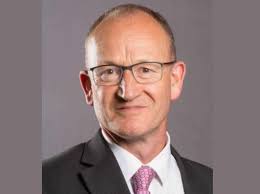
Richard Roberts, Leader, Hertfordshire County Council and Chair, Hertfordshire Growth Board, will set out Hertfordshire’s commitment to sustainability and tackling climate change.
He said: “The challenge that we now face as a county is how do we manage future development sustainably with a growing population and a requirement to build 100,000 new homes in less than a decade? Together, we must manage our resources more responsibly to reduce our carbon footprint, with small incremental changes to the way we live, work and move around.
“There is a huge task ahead of us, but also tremendous opportunities to do things differently. I look forward to welcoming you to the Sustainability Conference as we set out how together we can put Hertfordshire on the path to net zero.”
Watch this short video from Cllr Richard Roberts setting out the county’s commitments to net zero.

Hertfordshire Growth Board works closely with the Hertfordshire Climate Change and Sustainability Partnership to deliver climate change action and reduce the carbon footprint across the county. The Partnership is working across four key areas:
- Water Sustainability
- Biodiversity
- Carbon Reduction
- Transport
This closer alignment of climate change and sustainable growth will help us to plan responsibly for a ‘decade of delivery’ in Hertfordshire and meet our carbon neutral and housing targets by 2030.