The 2021 Building Futures Awards is open to entries from 22nd February until 14th May. Winning schemes will be announced at a prestigious awards ceremony on 21st October at Knebworth Barns.
Projects can be nominated under one or more of the four award categories: Design Excellence, Most Sustainable Construction, Retrofit for the Future and Project of the Year. Schemes must be located in Hertfordshire and completed between 28th April 2018 and 21st February 2021. So who will be judging the entries?
Jon Rowland
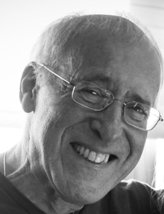
Jon Rowland is a registered architect and urban designer. Areas of expertise include urban design and master-planning; regeneration and urban renewal; development strategies; design advice, guidance and training both in the UK and overseas.
Projects include the award-winning Telford Millennium Community; and short-listed Cottam Hall in Preston, Stranraer Waterfront, and Temple Quay in Bristol. Other masterplans, spatial and urban design strategies include completion of Frederick Gibberd’s 1970 plan for Harlow; Culham Science Centre for UK Atomic Energy Authority; a coastal infrastructure masterplan for Rhosneigr; Urban Design Framework for Colindale, north London, for the Greater London Authority; spatial plans for Central Oxfordshire and Partnership for Urban South Hampshire. These are complex projects and Jon works with interdisciplinary teams to provide an integrated approach.
Jon has been a Chair on Hertfordshire’s Design Review service for around five years. He was Chair of CABE’s design review panel and the Urban Design Group, and is currently Chair of BOB-MK design review panel and a member of Design Council CABE’s Oxford panel. He has lectured extensively, has written many articles, and was co-editor of Urban Design Futures published in 2006. He was a member of the Academy of Urbanism, and part of Urbed’s team which won the Wolfson Economic Prize for Garden Cities. He is a Fellow of the Royal Society of Arts, and owns Jon Rowland Art. He is currently advising a number of local authorities on strategic masterplans and urban extensions.
Mehron Kirk
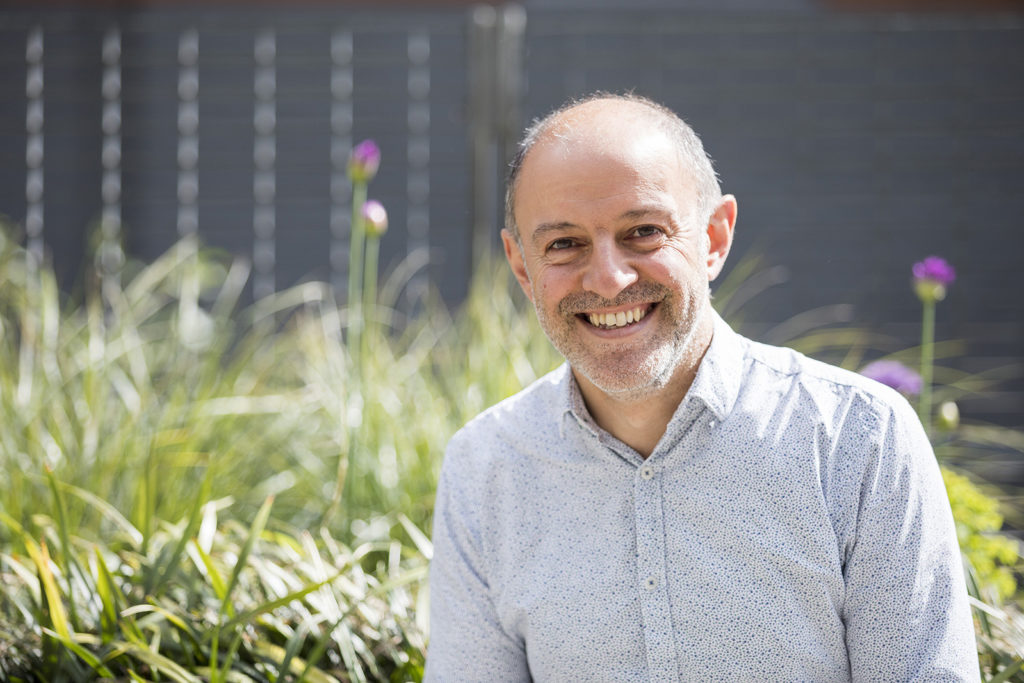
Mehron is an Urbanism and Landscape Architect Director at BDP with over 20 years’ experience of designing and implementing landscape, public realm, master-planning and urban regeneration schemes in London, Europe and internationally. He has been an active member of the Hertfordshire Design Review Panel for a number of years.
On a daily basis he is involved with designing places for people and facilitates community and stakeholder consultation events to inform emerging designs. He has assisted many local authorities and councils in compiling packages of information to attract and secure funding.
Mehron has a particular expertise in working on complex, mixed-use, multi-disciplinary projects, creating innovative external environments and landscapes which add value to developments with sustainability always a key consideration. He balances design aspirations with the need for function and has a thorough understanding of construction and detailing.
He has designed and delivered a number of award-winning schemes, including the London Planning Awards prize for Best New Public Space three times, in addition to Civic Trust and Local Government awards. Recent projects include the transformation of Beckenham Place Park, a new family facility within a large walled garden in Surrey, the new Astra Zeneca Headquarters in Cambridge and regeneration advice and design for Stevenage Town Centre.
Peter Ranken
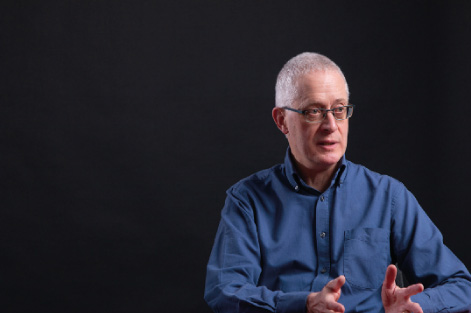
Peter Ranken is passionate about the contribution of architecture to people’s well-being and the wider urban environment. Essential to this is thermal comfort and low energy use and he is an early adopter of the Passivhaus approach with seven years’ experience, including 26 homes and one health centre designed to this rigorous standard.
His completed projects include housing masterplans, urban regeneration, education, care and extra care projects and private houses, and he has published research on high density housing. His RIBA membership is complemented with an MSc in Environmental Design and Engineering (UCL) and certification as a Passivhaus Designer (CEPH).
Tim Riley
BA(Hons) BArch (Hons) DipPPM ARB
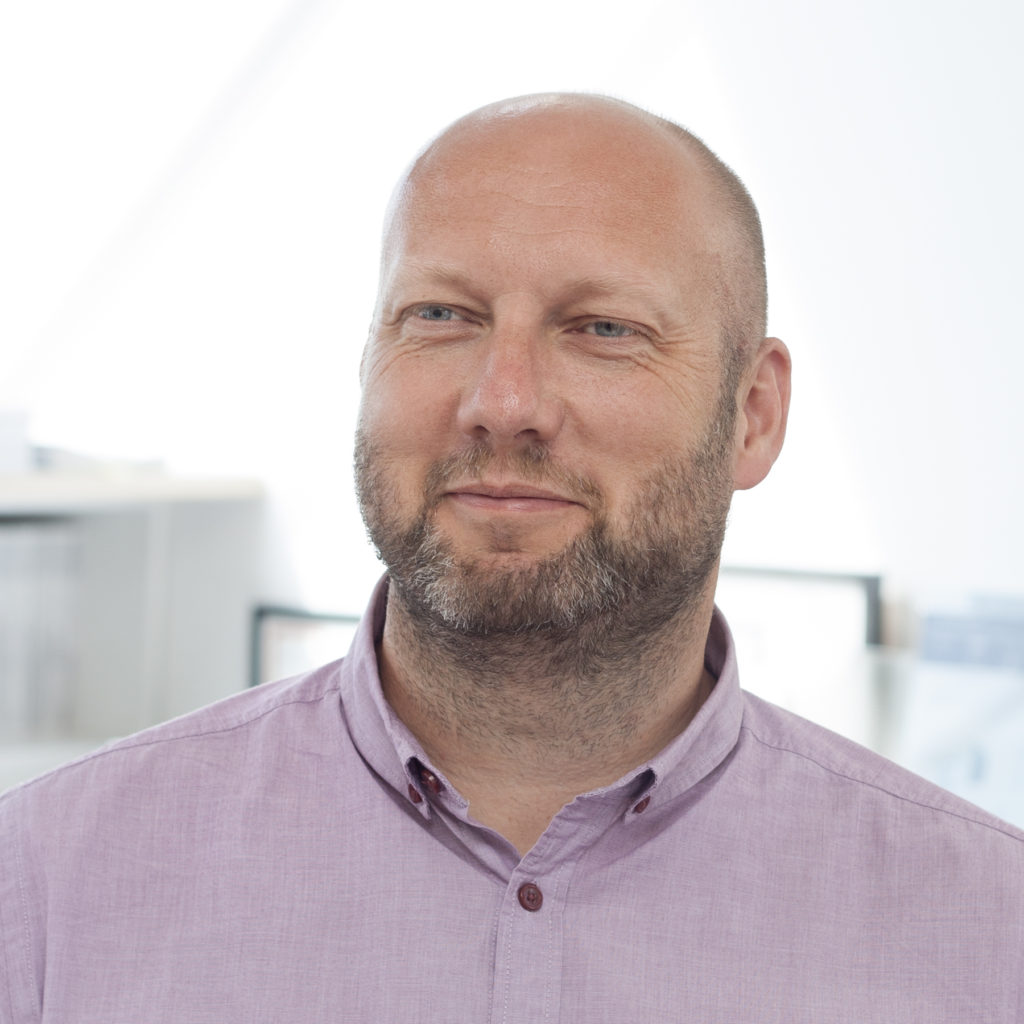
Tim is a registered architect and founding director of RCKa, an architectural practice that promotes socially responsive design and winner of the inaugural RIBA Emerging Practice of the Year in 2015. Areas of expertise include strategic design, rural master-planning, regeneration and specialist housing.
Masterplan and regeneration projects include; the Newham Arc of Opportunity, the precursor to the Stratford Olympic masterplan; RIBA award-winning Three Towers in Manchester and Saxton in Leeds, both with Urban Splash; Stoke City Riverside, heralded as a CABE exemplar, and the Ryde Enterprise Village made viable through social value.
Specialist housing projects include the Housing Design Award-winning Meadow Street community housing in Preston, HAPPI and HDA winning Hortsley retirement living development in Seaford and the Inside Housing Development award-winning Park House extra-care development in Harpenden. He is currently leading a team to deliver Boughton Heath in Chester which will be the first Fitwel accredited, zero carbon, retirement development in the UK.
In addition, Tim has delivered several smaller scale RIBA award-winning projects across a variety of sectors such as enterprise hubs, galleries, schools and community buildings. What unifies all these projects is a focus on identity, community cohesion, user engagement and delivering social value. This was recently recognised with the inaugural Architect of the Year Award 2020 for Social Impact.
Tim is Chair of Harrow Council’s design review panel, a member of Hounslow Council’s design review panel and a member of the Mayor of London Special Assistance Team.
Find out more about the awards here.
With 49% of the UK’s annual carbon emissions attributable to buildings, it has never been more important to ensure all buildings contribute towards a zero carbon future as soon as possible.
To facilitate and encourage this, Hertfordshire County Council are proud to host the biennial Building Futures Awards which promotes and celebrates schemes across Hertfordshire that are at the forefront of sustainable design and construction.
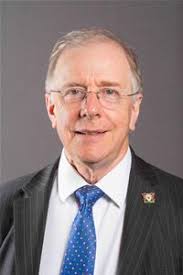
These awards provide a great platform from which to showcase exceptional buildings and placemaking work to the entire industry. As Derrick Ashley, Executive Member of Growth, Infrastructure, Planning and the Economy for Hertfordshire County Council, says: “We must ensure that buildings, both residential and commercial, are suitable for today and tomorrow’s world as best we can, and therefore the importance of Building Futures is greater than ever before.”
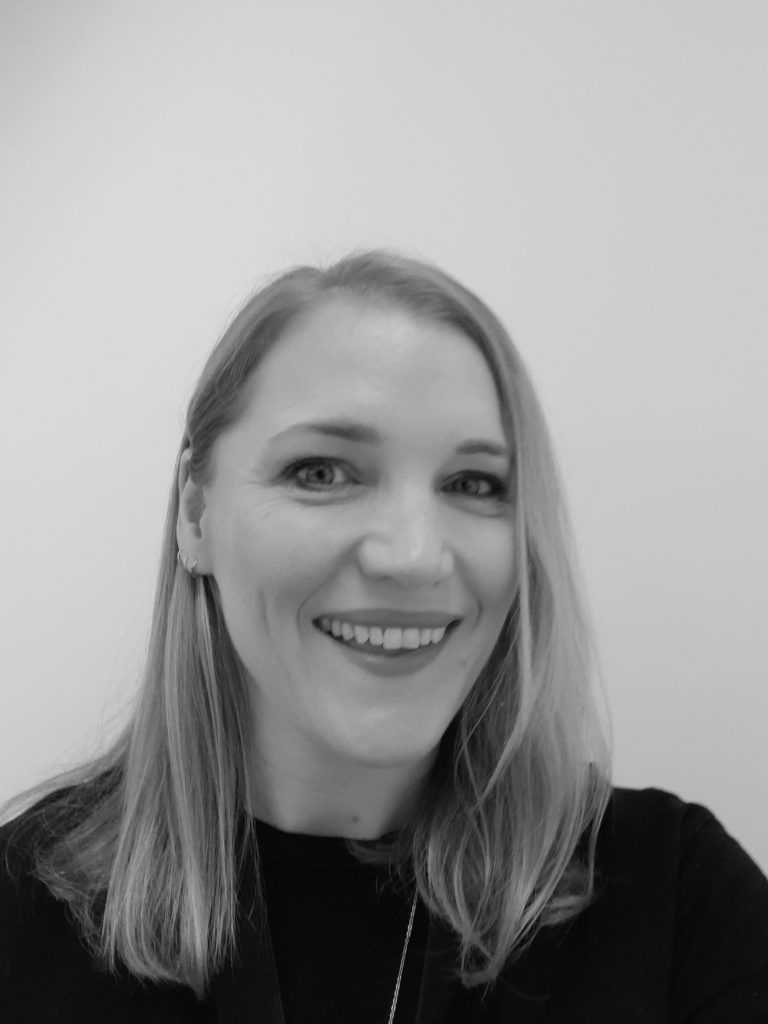
As Jennifer Owen, Building Futures and Landscape Manager for Hertfordshire County Council, explains: “Hertfordshire is facing unprecedented levels of growth and the development industry has a critical role to play in ensuring that building design and placemaking responds to climate change and supports sustainable communities.
“It is why we are so passionate about acknowledging and supporting exemplar design, construction and retrofit projects that utilise sustainable processes and technologies at the Building Futures Awards.
“It is a great platform to celebrate organisations and project design team’s achievements, from individual buildings through to holistic large-scale developments, and everything in between, which encompass built form and open space.”
The 2021 Building Futures Awards is open to entries from 22nd February until 14th May. Winning schemes will be announced at a prestigious awards ceremony on 21st October at Knebworth Barns.
Projects can be nominated under one or more of the four award categories: Design Excellence, Most Sustainable Construction, Retrofit for the Future and Project of the Year. Schemes must be located in Hertfordshire and completed between 28th April 2018 and 21st February 2021.
Any development is eligible for nomination, no matter how big or small, from individual buildings to large scale developments. Projects can include new build, conversion and refurbished schemes in the residential, commercial, retail, education, health and leisure sectors.
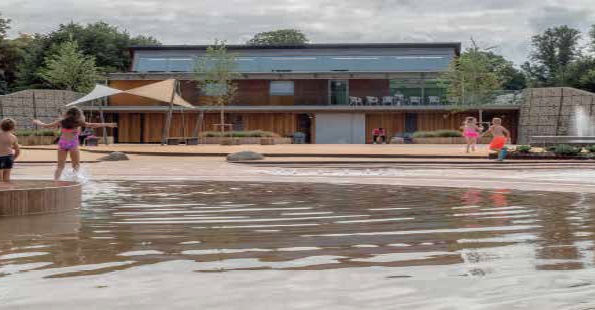
Previous winners include Cassiobury Park Hub, Watford; St. Albans Museum and Gallery, St. Albans; and Garden Avenue/Furzen Crescent, Hatfield.
If you have been involved in a project, or know of a development which you think deserves to be a winner of the 2021 Awards, please download an application pack from the Building Futures website here or email BFAwards21@hertfordshire.gov.uk.
Meet the Judges
- Design Excellence and Project of the Year
Head Judge: Jon Rowland, Jon Rowland Urban Design
Judge: Mehron Kirk, BDP - Most Sustainable Construction and Retrofit for the Future
Head Judge: Tim Riley, RCKa
Judge: Peter Ranken, Tooley Foster
Previous Building Futures Winners
Hertfordshire Growth Board is taking another significant step in its collaborative working, for good growth and economic recovery across the county, by announcing its formation into a statutory joint committee.
Building upon the success of the Growth Board collaboration over the last two years, the new committee, made up of Hertfordshire Council Leaders and Chair of the Local Enterprise Partnership, will work within a democratic framework in all its future decision making.
This increased openness and transparency in the meetings of the Growth Board will provide a means for businesses, stakeholders and residents to understand how the work of the Board will support the delivery of good growth with long-term benefits for Hertfordshire.
Watford Borough Council is the first of 11 councils on the Board to officially announce, at its council meeting on Tuesday 13 October, its commitment to the new committee. Hertfordshire Local Enterprise Partnership’s business-led board was the first to gives its formal support at its Board Meeting on 24th September.
Hertfordshire County Council and Three Rivers District Council will have their meetings next week, with the remaining councils taking their decisions between now and mid-December.
Councillor David Williams, Chair of Hertfordshire Growth Board and Leader of Hertfordshire County Council, said: “The joint committee is a positive step and an important evolution of the Growth Board governance. With the ongoing impact of COVID-19 and the importance of economic recovery, the need for collaboration, consensus and joint working across Hertfordshire has never been greater.
“The County Council will be taking this commitment through its own democratic processes next week and we will show our continued support for the work of the Growth Board at those meetings.”
Peter Taylor, Mayor of Watford said: “It is really important that councils work together so that we can have better infrastructure for our residents in Hertfordshire. This is another step in the right direction for the Growth Board and means we have the right structures in place to make decisions that are in the best interests of local people.
“We must be open with people about this work, so that they know about this collaboration and why it is important for our area. I am pleased that council leaders are being transparent about this, working together and making the case for investment to support economic growth here.”
The first of a series of webinars took place this week setting out the aims and ambitions of Hertfordshire Growth Board.
The event on Thursday 16 July, titled Collaborating for growth – Hertfordshire doing things differently, served as an introduction to the work of Hertfordshire Growth Board and covered how and why it was formed, its membership and priorities for the future.
Over 150 people from across local and central government and businesses attended this special hour-long event hosted by The Voice of Authority (TVoA) and sponsored by leading UK construction and regeneration group Morgan Sindall, based in Welwyn Garden City.
Speakers included Cllr David Williams, Chair, Hertfordshire Growth Board and Leader, Hertfordshire County Council; Rob Bridge, CEO at Welwyn Hatfield Borough Council and lead CEO, Hertfordshire Growth Board; Patsy Dell, Director, Hertfordshire Growth, Hertfordshire Growth Board and Matt Partridge, CEO, Stevenage Borough Council. The webinar was sponsored by leading UK construction and regeneration group Morgan Sindall, based in Welwyn Garden City.
Hertfordshire Growth Board comprises Hertfordshire County Council, the county’s 10 district and borough councils and Hertfordshire Local Enterprise Partnership. Its 12 members have all signed a Memorandum of Understanding, signalling Hertfordshire’s commitment to collaborative working and getting things done.
In his opening remarks, Cllr David Williams said: ‘Hertfordshire has an excellent track record of partnership working across two-tier local government, the Local Enterprise Partnership, health, further and higher education and the constabulary. The Growth Board builds on these excellent relationships.’
It also, said Rob Bridge, CEO, Welwyn Hatfield Borough Council, displayed a ‘great amount of ambition’ with its 11 local authority members plus the LEP speaking to Government with a much ‘stronger voice in order to do what is right for their communities’.
By appointing a dedicated director, Patsy Dell, the Growth Board had shown a real commitment and consensus in joining up place-based growth and economic recovery and was, said Matt Partridge, CEO Stevenage Borough Council, a ‘once in a lifetime’ opportunity to shape future wealth-building for all areas of the county.
During the webinar, a series of live polls were conducted with 78% of those who responded saying that the Growth Board model should be adopted by other counties. Asked what should be the aims and objectives of the Growth Board, 27% said it should concentrate on delivery of infrastructure, with 25% saying it should focus on economic recovery and growth. The biggest growth challenge, according to attendees, was providing for new infrastructure and services (33%) followed by delivering new homes (28%).
The first webinar has been timed to coincide with the launch of HGB’s new website: www.HertfordshireGrowthBoard.com.
Patsy Dell, Director, Hertfordshire Growth, Hertfordshire Growth Board, said: “A lot of work has gone on behind the scenes over the past two years to bring Hertfordshire together to manage the scale of the growth challenge facing Hertfordshire over the next decade. These webinars and the launch of the new website provide an opportunity to set out how the Growth Board will deliver that growth and help our communities flourish and fulfil their potential.
‘That need for collaboration and consensus is even greater now as we recover from the testing times the county is experiencing because of COVID-19.’
Two further Hertfordshire Growth Board webinars are planned. On 13 August, it will cover COVID-19 economic recovery planning – the wider growth strategy for Hertfordshire. This will set out some of the work HGB partner Hertfordshire LEP is doing to revise the Local Industrial Strategy and rapidly develop an Economic Recovery Plan with key partners across local and central government, business, education and the third sector. The final webinar on 10 September will focus on how HGB can support development and delivery during Hertfordshire’s long-term recovery.
Toby Fox, 3Fox managing director, said: “It is rare to work with a county so committed to collaborating in such a genuine and progressive way, and determined to drive a shared vision forward. We are very excited to be facilitating these webinars for Hertfordshire Growth Board as it communicates its ambitions, especially during this current situation.”
View the webinar recording and full report with live polling results.
Investment to create infrastructure that will help make Gilston a home for many more residents has been secured by Hertfordshire County Council.
Housing infrastructure investment of £172million has been awarded by the government for the delivery of a sustainable travel infrastructure for the Harlow & Gilston Garden Town (HGGT) project. Hertfordshire County Council is working with Essex County Council, East Herts District Council, Epping Forest District Council and Harlow District Council, along with development industry partners, to deliver the overall Garden Town project.
The successful investment bid for Gilston included proposals for:
- A walking, cycling and public transport link from Eastwick junction to Harlow town centre via the railway station.
- An additional road crossing over the River Stort, linking the A414 at Eastwick with a new roundabout north of the river then onwards to Edinburgh Way via River Way.
- Improvements to junctions along the A1019, benefitting walking, cycling and public transport networks.
In Gilston, the infrastructure that this investment will help to make possible will lead to 10,000 new homes by 2040, with at least 3,000 in place by 2033, while 20 hectares of employment floorspace are planned at sites across the Garden Town.
Councillor Derrick Ashley, Hertfordshire County Council’s Cabinet Member for Growth, Infrastructure, Planning and the Economy, said:
“This is fantastic news as the investment will be absolutely vital to the future of the Gilston area development. The proposed infrastructure will benefit the existing communities as well as new ones, with big improvements to come for pedestrians, cyclists and public transport. It’ll also help to make more land available for new homes which otherwise may not have been built.
“This investment clearly shows the government’s confidence in our ability to build the infrastructure we’ll need to support new homes. It also shows the importance of the Hertfordshire Growth Board in our conversations with government over planning as we make sure we put in place the infrastructure our communities need and deserve, which will also benefit economic growth in our county.”
Guy Nicholson, Chairman of Harlow & Gilston Garden Town, said:
“On behalf of the Harlow & Gilston Garden Town project, I would like to thank Hertfordshire County Council and the Garden Town partner councils for their professionalism and expertise in securing this significant investment for new and enhanced infrastructure to support the building of new homes.
“The £172million will help realise the Garden Town vision and demonstrates the government’s commitment to our work in the Garden Town.”
“This investment shows the importance of the Hertfordshire Growth Board in our conversations with government over planning as we make sure we put in place the infrastructure our communities need and deserve.”
Councillor Derrick Ashley, Hertfordshire County Council’s Cabinet Member for Growth, Infrastructure, Planning and the Economy
A lot has happened in Hertfordshire since the idea of a working group with a common will to help shape the county’s future for our residents, now and to come, was mooted 24 months ago.
The Hertfordshire Growth Board, made up of the County Council, the 10 district and borough councils and the Hertfordshire Local Enterprise Partnership, was conceived in 2018. Each Growth Board member has an equal place at the table, with the same opportunity to contribute. This week, representatives of the Growth Board were together to mark an important development. All 12 bodies have now approved an official working agreement – a Memorandum of Understanding.
Its effects will be wide-reaching and profound as it signals a collaborative working agreement in a two-tier local government system which will significantly help to make the county an even better place for our residents to live, work and learn now but also for generations well into the future. Though talking to and developing partnerships with private as well as pubic-sector organisations is vital, those leading the way for Hertfordshire certainly want to make sure their actions speak louder than any words.
Indeed, when the County Council ran focus groups with residents in May last year, the overriding consensus was that people would like fewer pledges and more action. The emergence of the Growth Board demonstrates a fundamental step has been taken.
Preparing for growth is a prerequisite for Hertfordshire – it cannot be ignored. The Growth Board is committed to taking responsibility for ensuring the expected growth is managed, accommodated and utilised in a way to make Hertfordshire a thriving, even more prosperous location for those future generations. That means, effectively, our Growth Board members are taking the roles of visionary custodians.
“Growth is never by mere chance; it is the result of forces working together” was once said by a notable American entrepreneur, and that sums up the working ethos in Hertfordshire, where collaboration is now the default as the members together look to make sure everything is being done to set the county up to thrive as part of a sustainable world, providing impetus and endurance, while also using its position in the so-called ‘Golden Triangle’ and proximity to London to its residents’ and businesses’ advantage. Ultimately, we all want to show that our residents are an important part of the “forces working together”.
David Williams, Chairman of Hertfordshire Growth Board as well as Leader of Hertfordshire County Council and Chairman of the County Councils Network, said:
“A report commissioned by the County Councils Network on the role of county and county unitary authorities in place-based growth will highlight the benefits of growth boards knitting together industrial strategies with the delivery of infrastructure and new homes to ensure good growth.
“While acknowledging there is much work to be done, we are proud that Hertfordshire is demonstrating the benefits of this approach.”
“Preparing for growth is a prerequisite for Hertfordshire – it cannot be ignored.”
Councillor David Williams, Chair, Hertfordshire Growth Board and Leader, Hertfordshire County Council
Three Rivers District Council has joined all other members of the Hertfordshire Growth Board by approving an innovative working agreement for the county.
At a full council meeting yesterday (25 February), Three Rivers DC became the last of the 10 district and borough councils, also following Hertfordshire County Council and the Hertfordshire Local Enterprise Partnership (LEP), to sign up to the unique Memorandum of Understanding which signals to residents and businesses our formal commitment to managing growth in the county together.
The Hertfordshire population is expected to rise by up to 175,000 by 2031, with at least 100,000 new homes and 100,000 new jobs to be created over the same period, with the clear aim to provide the right infrastructure which will support a thriving economy, including affordable housing, a sustainable transport network, and excellent schools and healthcare facilities.
The 11 councils and Hertfordshire LEP have been working together as part of the Hertfordshire Growth Board since its formation in 2018. The main purpose of the Growth Board is to respond to key challenges facing the county over the coming years. It provides leadership and governance, while also being the single point-of-contact for central government over funding opportunities in the future.
Councillor David Williams, Chairman of Hertfordshire Growth Board and Leader of Hertfordshire County Council, said:
“The Growth Board is the way we are now working together on planning, economic growth and ensuring that we secure the infrastructure our communities expect.
“The Memorandum of Understanding symbolises the development of a new approach of close collaboration between councils, and of nurturing effective partnerships across the public and private sectors. This strengthens decision-making, will support local engagement and, in turn, fosters a strong sense of place in our communities.
“It’s an important and significant step that all Growth Board members have now approved the agreement, and I look forward to telling our residents more about what is planned for the county in the near future.”
“The Growth Board is the way we are now working together on planning, economic growth and ensuring that we secure the infrastructure our communities expect.”
Councillor David Williams, Chair, Hertfordshire Growth Board and Leader, Hertfordshire County Council
Last month, we outlined our joint commitment to supporting the delivery of good growth in Hertfordshire. Our pan-county approach to growth issues and the growth agenda has been moving at pace since the formation of the Hertfordshire Growth Board in 2018, although we have certainly been planning for significant growth for some time.
The collaborative working across our two-tier system involves the county’s 10 district and borough councils, as well as the Hertfordshire Local Enterprise Partnership (LEP). There is a common will to work together, for the good of our county.
The creation of the Growth Board, chaired by the leader of Hertfordshire CC, David Williams, and the work we have done over the last 12 months, signals our focus on a joined-up approach to our residents and businesses.
The Growth Board’s main aim is to respond to key challenges facing the county over the coming years, providing effective place leadership and governance while also being the single point of contact around the delivery of our place ambitions with central Government.
The most recent evidence of this commitment is that the council, all of the district and borough councils and the Hertfordshire LEP are in the process of approving a joint memorandum of understanding confirming the commitment to close collaboration and joined-up working between councils and the nurturing of beneficial partnerships across the public and private sectors.
In Hertfordshire, we have a polycentric mix of towns, new towns and garden cities with a rich mix of diversity, culture and historical significance and a unique, pivotal location right at the heart of the so-called ‘Golden Triangle’ between London, Oxford and Cambridge.
Our local economy is strong, and we make a net contribution to UK Plc. That said, with success also come challenges and housing affordability, congestion and climate change issues are some of the key ones we face.
Together, we are preparing for our county’s population to go up by 175,000 by 2031 – a rise of nearly 15%. The estimated population of Hertfordshire in 2018 was 1,184,400, according to Herts Insight.
This growth will require the delivery of at least 100,000 new homes and 100,000 new jobs and the infrastructure such growth needs for it to be socially, economically and environmentally sustainable. This infrastructure has a price tag of nearly £6bn and we recognise we can only do justice to this challenge by working together.
Delivering quality place-making is fundamental to the work the Growth Board is leading and we have recognised the only way to achieve successful place-based outcomes is by working effectively with others countywide, on matters such as planning, economic growth and infrastructure.
We have a rich diversity of towns that characterise Hertfordshire and an interesting history of strategic planning interventions that have supported its growth previously. This can be seen in the first garden cities at Letchworth and Welwyn, as well as in post-war new towns such as Stevenage, Hatfield and Hemel Hempstead and in the declaration of the metropolitan green belt.
There are a wide range of development models being delivered as part of the current growth agenda in Hertfordshire, from new garden towns and villages, to urban extensions, town centre regeneration and village growth.
We have recognised in Hertfordshire that we are all part of something much bigger – and acknowledged that in order to succeed for our residents and business, the only way to work is together.
Over the last nine months, our council leaders, the Hertfordshire LEP chair and all chief executives have jointly developed a place-based programme that responds proactively to our growth ambitions and challenges now and in the future.
This broad-based, multi-faceted programme will integrate new and existing work across such issues as climate change, economic growth, housing affordability, digital delivery, infrastructure and strategic planning.
We are now moving into implementation of our joint programme and, through our partnership, are developing a systems leadership approach across our local government and Hertfordshire LEP teams.
Having worked in this sector for the last three decades, I have been impressed by the clear ambition and determination to work together effectively that I have seen since I came to Hertfordshire.
The Growth Board journey continues and the will to be proactive in supporting good growth, place-making and the continued success of this county is clear for all to see.
“There is a common will to work together, for the good of our county.”
Patsy Dell, Director, Hertfordshire Growth, Hertfordshire Growth Board
Nine of the 11 local authorities in Hertfordshire have so far approved an agreement made to ensure that growth is delivered for residents in the best possible way.
Hertfordshire County Council’s Cabinet gave the go-ahead on Monday to the Memorandum of Understanding (MoU), the purpose of which is to show residents and businesses this commitment as well as the way we will work together to manage growth in Hertfordshire. The Hertfordshire Local Enterprise Partnership (LEP) has also approved the MoU.
The councils and Hertfordshire LEP have been working together as part of the Hertfordshire Growth Board since its formation in 2018. The main aim of the Growth Board is to respond to key challenges facing the county over the coming years. It provides leadership and governance, while also being the single point-of-contact for central government over funding opportunities in the future.
Councillor David Williams, Chairman of Hertfordshire Growth Board and Leader of the County Council, said:
“It’s been great to see the county’s district and borough councils commit to the Memorandum of Understanding, as we now have, and with others to follow.
“The Growth Board is the way we are working together on planning, economic growth and making sure we put in place the infrastructure our communities need and deserve. Collaboration is now the default in Hertfordshire, and the Memorandum of Understanding sends a very clear message to central government about Hertfordshire’s ambitions.”
The Hertfordshire population is expected to rise by up to 175,000 by 2031, with at least 100,000 new homes and 100,000 new jobs to be created over the same period, while there is also a clear commitment to provide the right infrastructure, affordable housing and jobs for local people.
“Collaboration is now the default in Hertfordshire, and the Memorandum of Understanding sends a very clear message to central government about Hertfordshire’s ambitions.”
Councillor David Williams, Chair, Hertfordshire Growth Board and Leader, Hertfordshire County Council
Collaboration is now the default in Hertfordshire.
Today, North Herts District Council is set to become the first of the county’s 11 local authorities, as well as the Hertfordshire Local Enterprise Partnership (LEP), to approve an agreement to make sure that growth is delivered in the best possible way for residents.
The main purpose of the significant and unique Memorandum of Understanding is to let residents and businesses know of this formal and absolute commitment, while also showing the way in which we will work together to manage growth in the county. It also sends a very clear message to central government about Hertfordshire’s ambitions.
Hertfordshire County Council and Hertfordshire LEP are set to approve the agreement in December, while the other authorities are also scheduled to give the Memorandum of Understanding the go-ahead in the coming weeks.
The Hertfordshire population is expected to rise by up to 175,000 by 2031, with at least 100,000 new homes and 100,000 new jobs to be created over the same period, while there is also a clear objective to provide the right infrastructure, affordable housing and jobs for local people.
The councils and Hertfordshire LEP have been working together as part of the Hertfordshire Growth Board since its formation in 2018. The main aim of the Hertfordshire Growth Board is to respond to key challenges facing the county over the coming years. It provides leadership and governance across Hertfordshire, while also being the single point-of-contact for central government over funding opportunities in the future.
Councillor David Williams, Chairman of Hertfordshire Growth Board and Leader of Hertfordshire County Council, said:
“The Growth Board is the way we are now working together on planning, economic growth and ensuring that we secure the infrastructure our communities expect. It raises our profile and helps us speak with one joint-voice to government and its agencies.
“The Memorandum of Understanding symbolises the development of a new approach of close collaboration between councils, and of nurturing effective partnerships across the public and private sectors. This strengthens decision-making, will support local engagement and, in turn, fosters a strong sense of place in our communities.”
“The Growth Board is the way we are now working together on planning, economic growth and ensuring that we secure the infrastructure our communities expect. It raises our profile and helps us speak with one joint-voice to government and its agencies.”
Councillor David Williams, Chair, Hertfordshire Growth Board and Leader, Hertfordshire County Council